The presence, at last, of the treasure of Tutankhamun in the GEM has once again made the young pharaoh a subject of great interest. His golden mask, the chariots, the sarcophagi, the jewels… all inspire admiration.
But there are also small archaeological pieces, less spectacular, that tell us about this king and are documents of incalculable value.
Such is the case of a block found in Ashmunein, reused, which must once have belonged to a temple in the city of Amarna, the capital founded by his father, Akhenaten.
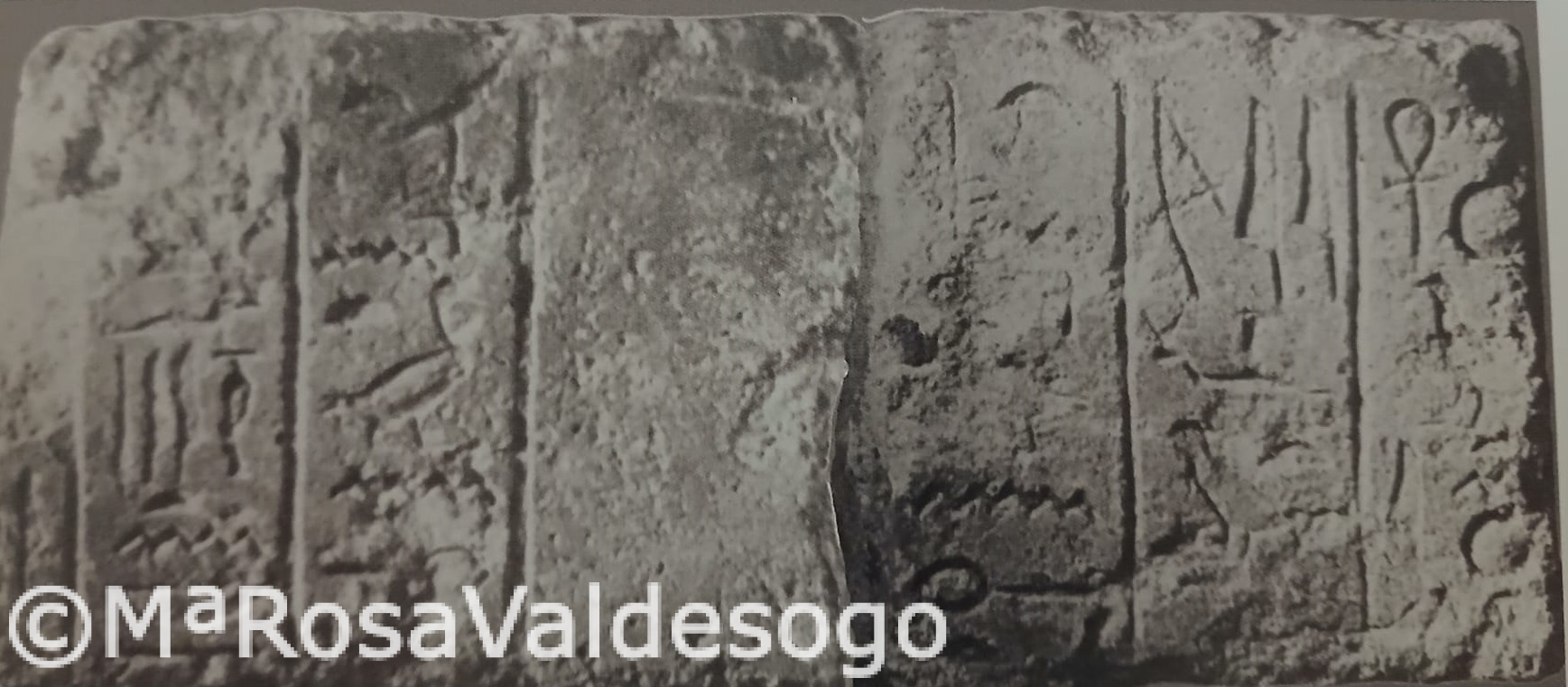
Block from Ashmunein with the names of Tutankhuaten (right) and Ankhsenpaaten (left)
The inscription
On it there is an inscription that names Tutankhuaten (the name he bore before becoming pharaoh) and Ankhesenpaaten, his sister and future wife. Both names appear inscribed facing one another. From this it can be deduced that the images of the two siblings must have been arranged looking at each other face to face.
But what is truly important is that it refers to Tutankhuaten as “the king’s son, of his own body, beloved of his father.”
The king’s son
Why is this reference important?
1. Because it provides written testimony that Tutankhuaten (the future Tutankhamun) was the son of Akhenaten, a matter that has been debated for years.
2. Because it represents an innovation in courtly art. It is the first depiction of a prince in a temple simply for being the king’s son.
Until then, only princesses accompanied the pharaoh in scenes in sacred buildings merely by virtue of being the king’s daughters. If a prince was represented alongside the sovereign, it was because he held some position of importance.
Akhenaten decided that his son, like his daughters, should also appear on the temple walls thanks to his royal blood.
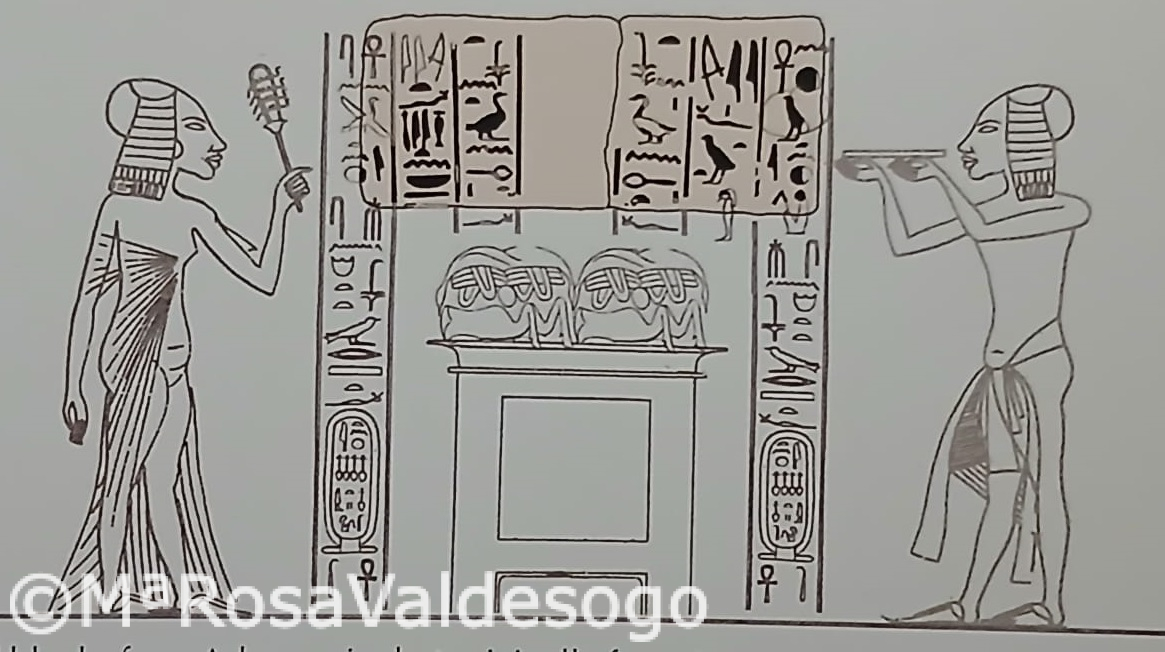
Reconstruction of the block from Ashmunein with the names of Tutankhuaten (right) and Ankhsenpaaten (left)
Innovation in the Art of Amarna
This novelty in Amarna art leads us to several reflections:
- Tutankhuaten received the same treatment as his sisters. This female prerogative crossed the boundary of gender and was also applied to males.
- Tutankhaten, the king’s son and future sovereign, did not need to hold any office in order to appear on the walls of a temple.
- This set a trend, since in the later Nineteenth Dynasty it would become common to represent princes on temple walls simply because they possessed royal blood.
We see, therefore, what a small object can reveal. This small block, with a simple blurred inscription—has it not allowed us to delve a little deeper into the person of Tutankhamun?
I believe it has.