The Royal Prince Tutankhuaton. An Innovation in the Art of Amarna
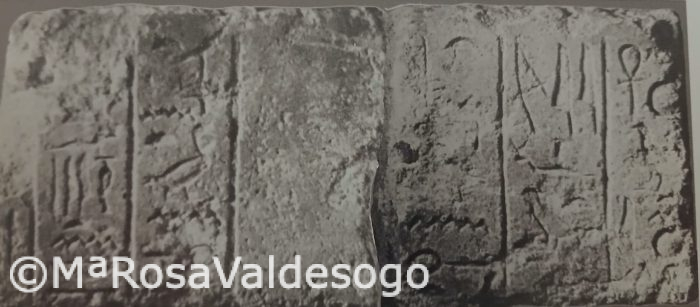
A block from Ashmunein showing Tutankhuaton as royal prince, an innovation in the art of Amarna.


A block from Ashmunein showing Tutankhuaton as royal prince, an innovation in the art of Amarna.
The image in Ancient Egypt had a power in itself. Why? Because in addition to evoking a reality, they made it arise. In Ancient Egypt everything that was depicted was also happening. The Power of Scenes on Walls. The mural scenes that we observe in the mastabas of...
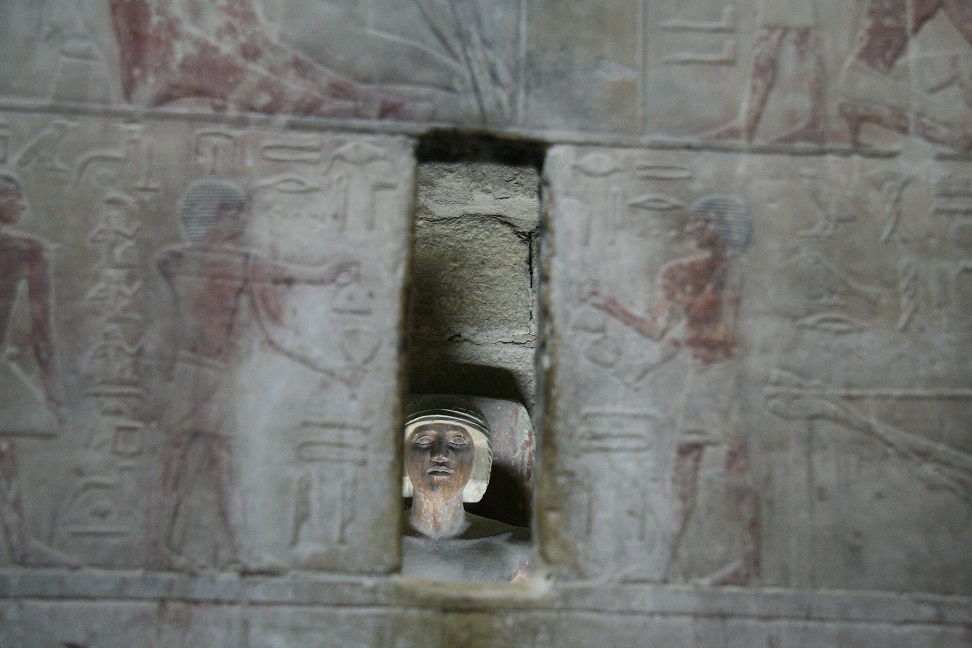
It is necessary to know the physical space in which an ancient Egyptian plastic production is located in order to analyse it. Reliefs, paintings and statues of ancient Egypt we know come mainly from temples and / or tombs, that is, from sacred spaces impregnated...
The king in Ancient Egypt, despite his solar nature, was also a human being. After dying, the pharaoh became also a corpse, so a mummy. Therefore it was inevitable to asimilate the dead souvereign with Osiris. And he required also a resurection following the...
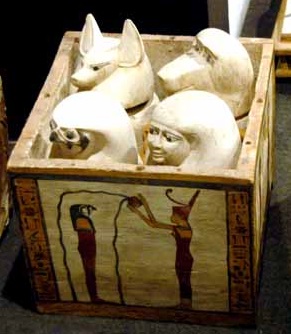
Isis, Nephthys and later on also Serket and Neith were essential in the regeneration sphere. They, as women/goddessees, played a crucial role in the process of resurrection in Ancient Egypt. For that reason, ancient Egyptian artist included their images in...
Let’s start with that: women were crucial in Ancient Egypt for the dead’s resurrection. The rite of the professional mourning ritual in ancient Egyptian funerals was based on the Osirian theology. That happened becasue in the belief of Ancient Egypt the dead...
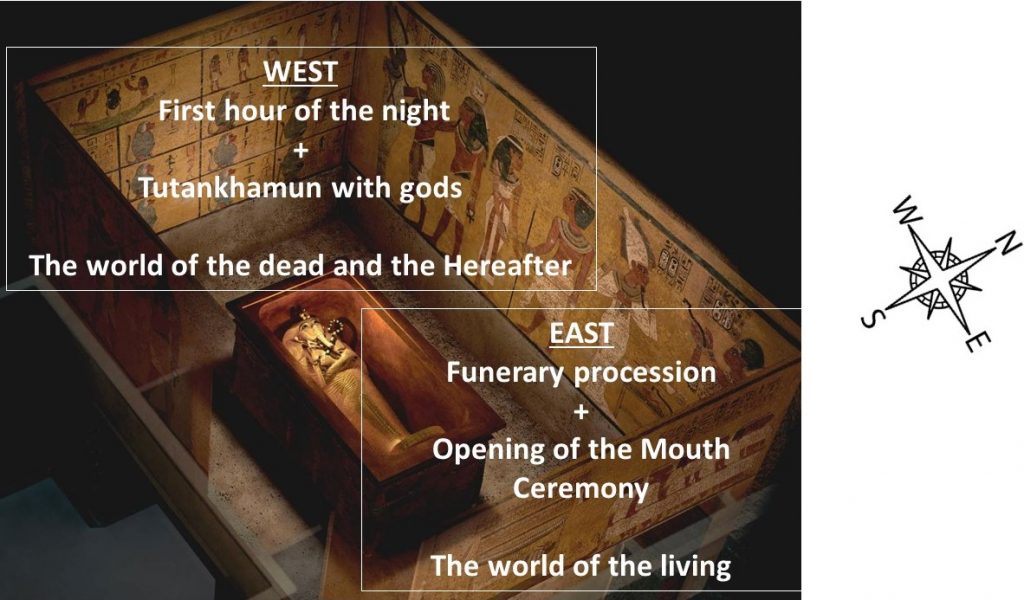
In Ancient Egypt the iconography on the walls of the tombs were crucial for the dead's resurrection. The iconography in the tomb of Tutankhamun was strong enough for granting the king's regeneration. Both, the scenes and its emplacement had a sense....
The tomb of Tutankhamun needs to be seen as an historical document. Nowadays everyone knows about Tutankhamun. His mummy, his funeral mask, his golden sarcophagus, his jewels, his spectacular furniture ... are familiar to anyone. But this familiarity towards...
The tomb of Tutankhmun is more than a mask, a mummy, Howard Carter... It is an historical document with lots of useful information about the funerary belief in Ancient Egypt. Let's focus now on the funerary chamber. The decoration of the funerary chamber. The...
Iconography proofs the existence of a mourning practice in Amarna. Specially relevant is the Royal Tomb, where the funeral of Meketaten, the royal daughter, was depicted. The death of Meketaten was lamented by the royal family, that is Akhenaten, Nefertiti and the...
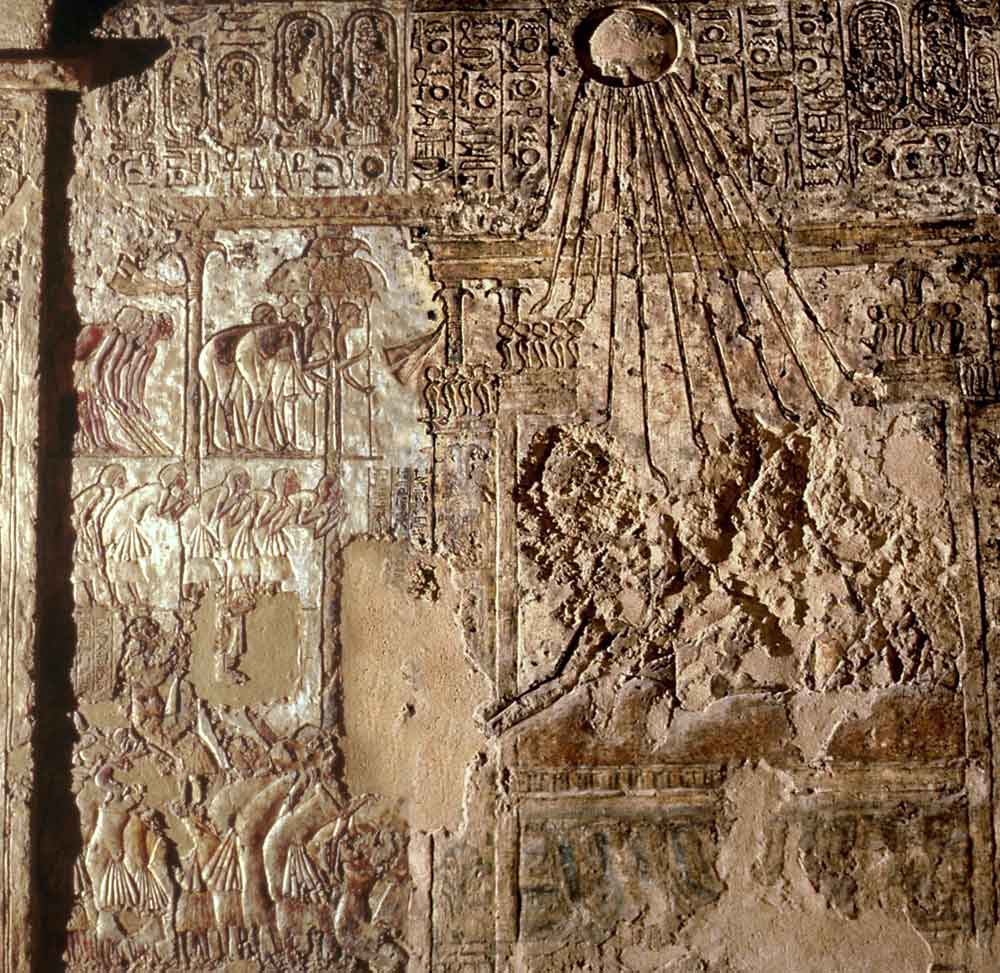
In Ancient Egypt the afterlife and the eternity were concepts very inserted into belief. The funerary art granted food, drink, furniture, religious cult...The mourning rite depicted was also crucial for the dead’s resurrection. During the reign of Akhenaten,...
During the reign of Akhenaten many things changed in Ancient Egypt. The new Pharaoh modified the artistic canon, his residence, the religion, the cult…but what happened with the death? Documents coming from that period of the history of Ancient Egypt show a belief...
I have already written about the consideration of the Art of Ancient Egypt as an artwork or a craftwork. In that post some elements were enumerated as necessary for a piece of art: Artificiality. An observer. Communication. Authenticity. Individuality. The problem...